While it is convenient to make online payments, it can be easy to fall for a scam that puts your money and personal information at risk. Anyone can be taken aback by a fake payment request, a suspicious link, or a message from someone who claims to be a customer support representative. To prevent falling into payment scams, it is important to be cautious when using the internet and online.
Mahadev Book users should remain vigilant when protecting their account information, thoroughly examine payment communications, and contact the official communications of the website when requesting assistance. Sports activities can be safer when using the Internet with good digital literacy and users are able to notice red flags before giving out sensitive information.
Why Is Payment Scams Avoidance Important?
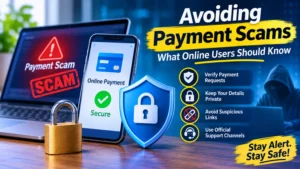
Payment scams use pressure and confusion. A person could say that an account has to be verified right away, they may ask for confidential information to cover an amount that could have been a payment matter, or they may provide a link which appears to be a recognized internet site. The goal is to get the person to take action without verifying the request.
Slow down and you’ll be on the right track to avoiding payment scams. Verify website address, read the terms and privacy policy, and exercise caution when paying or responding to an impromptu measssage.
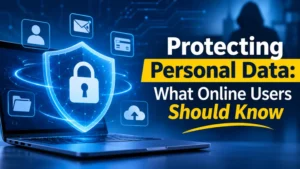
Consumer protection is also being aware of what information is supposed to be kept confidential. Do not disclose any of your password, one time password (OTP), UPI PIN or banking details to someone asking for it to make a payment. Such information may expose your account or funds to risk if it gets into the wrong hands.
How To Understand Avoiding Payment Scams
It doesn’t require a high level of technical expertise to understand how to avoid payment scams. All it leads to is catching suspicious behavior and verifying information prior to action.
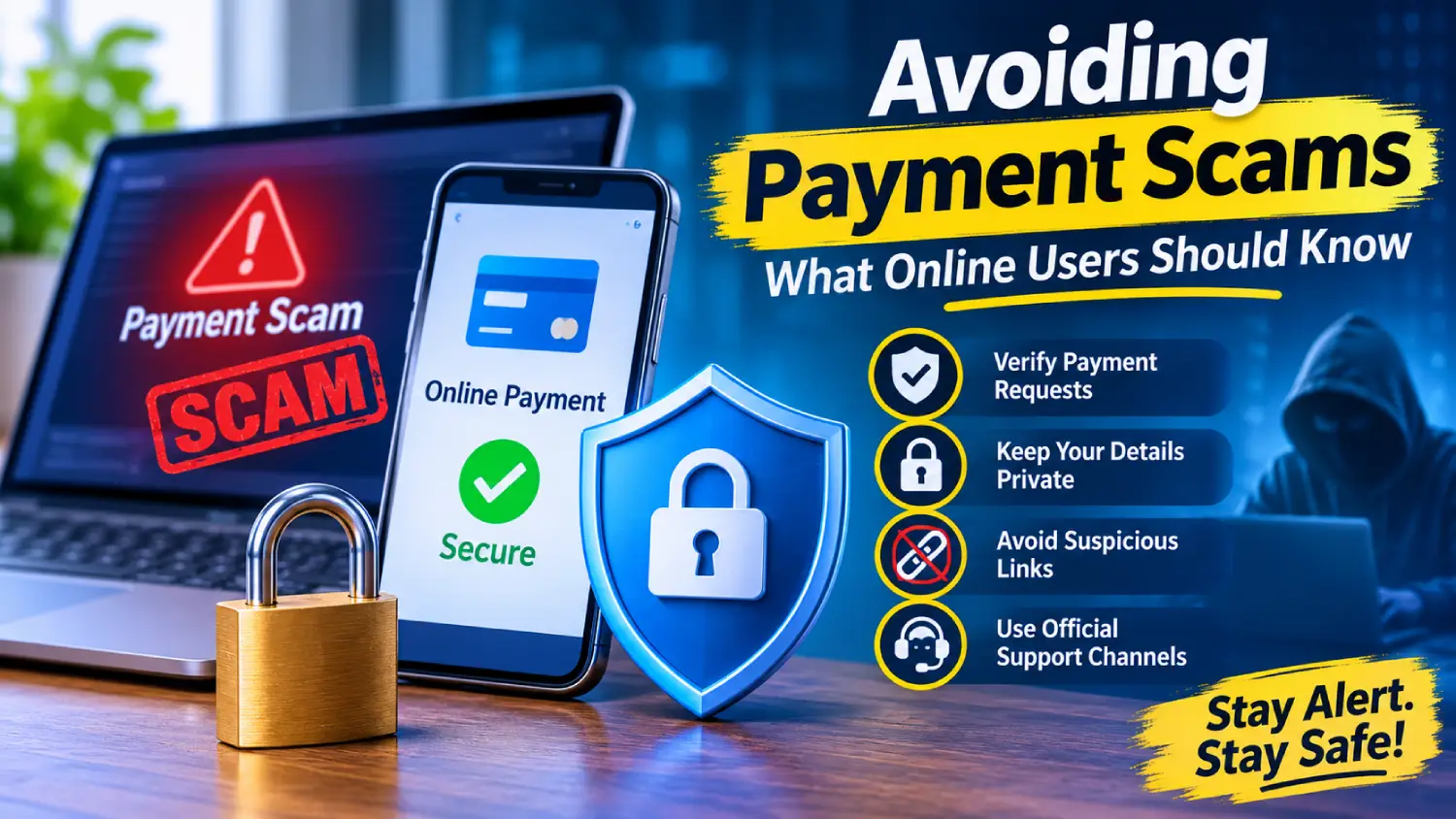
Look out for these common warning signs:
- Unexpected requests for payment: If you receive a call from someone asking to make an urgent payment, be wary.
- Suspect links: Do not click on payment links you don’t know of, or provide bank details on pages from which you received unverified messages.
- Requests for confidential information: Do not share your password, OTP, UPI PIN and banking details with anybody else.
- Pressure to take action: If a message is telling the reader that he will lose his account or be given something immediately, this may be intended to stop him thinking.
- Payment instructions that are not clear: Stop and check the payment if the recipient, amount or reason does not seem to make sense.
These avoiding payment scams safety tips are applicable any time you use an online account, contact customer service, or deal with a payment issue.
Avoiding Payment Scams Safety Tips For Mahadev Book Users
The safety of the account is a matter of what users do before and after the transaction. There are a number of simple things to do to minimise exposure to fraud.
Review The Website And Its Policies
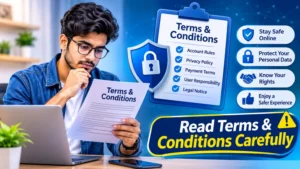
If you are sharing information, ensure you have put the correct web address in. Discuss the platform’s stated practices and your responsibilities by reading through the Privacy Policy and Terms and Conditions.
Mahadev Book offers privacy information relating to how user information is used. By reading the policy you have the ability to understand what information may be collected, how it may be used and how privacy related concerns can be raised.
Keep Account Details Private
Use a strong, unique password and don’t store your logon information on shared computers. Do not share passwords or OTPs with people who reach out to you, out of the blue. Avoid providing your UPI PIN or bank details to solve a transaction issue.
If the messages seem to be from a familiar service, it’s particularly crucial to remember that your privacy might be at stake. Just because a name or logo is recognised, does not mean that the sender is legitimate.
Verify Before Making A Payment
Before confirming a payment, check out the payment amount, recipient information and purpose. Never use a screenshot or message as a means of confirming receipt of money. Monitor transaction status via respective payment service or bank.
If the instructions appear to be atypical or if you feel compelled to pay right away, stop and confirm by a trusted method.
Make Use Of Official Support Channels
In case of any access or payment related issues contact the Mahadev Book using the contact details given on the Mahadev Book website. They have WhatsApp live chat and email support.
Talk about the problem in a clear and concise way, and only provide the information required to solve the problem. Don’t share your password, OTP or UPI PIN in a support discussion. Exercise caution when providing personal information to strangers, as scammers might pretend to be from some kind of customer service.
Protect Your Device And Connection
Use updated software and hardware and private Internet connections; avoid financial transactions on strange or public equipment. Avoid installing files and applications from unknown links. These are fundamental digital literacy practices to safeguard account information from unauthorised access.
What Should You Do If You Suspect A Payment Scam?
If you think you’ve been the victim of a payment scam, what should you do?
If you received a suspicious link, entered sensitive information, or made a strange transaction, act immediately.
First, refrain from communicating with the suspected scammer, and do not send any additional funds. If you used a shared password, change it via the service that you used. If your banking information or payment information could have been compromised, please contact your bank or payment service provider right away and follow their advice to secure your account or report the payment.
Maintain transactional references, related messages and screenshots and other records that would support an investigation. Contact the Mahadev Book support team if the matter is related to your Mahadev Book account. Avoid using contact details from the person you think may be scamming you.
When you act sensibly and responsibly and report concerns in time, it’s easier to avoid payment scams. While none of the precautions online can guarantee absolute safety, there is a level of caution that can be taken and proper precautions that can be taken with account security that will make a big difference.
Conclusion
The first step to avoiding payment scams is to always verify, pay carefully and keep information confidential. Being able to detect suspicious links, review details of transactions, read privacy policies, and reach out to support via trusted channels all help to improve online security.
Consumer protection begins with informed choices and proper management of account information for Mahadev Book users. Be careful not to let others share sensitive information, don’t accept unusual payment requests, and ask questions about unexpected demands.
Read More Blogs :
1. mahadevvbookapp-Reading Terms Carefully
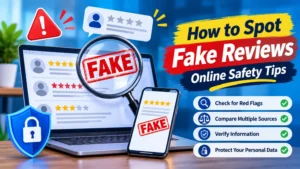
2. mahadevvbookapp-Recognizing Fake Reviews
Frequently Asked Questions
1. What Is The Best Way To Avoid Payment Scams?
Verify payment information before making a purchase, don’t click on unknown links, safeguard passwords and OTPs, and confirm unusual requests via a trusted source.
2. How To Identify A False Payment Request?
Be alert for unusual payment directions, unfamiliar recipients, odd links, requests for confidential data or pressing demands. Check information out before making decisions.
3. What Are The Steps For Mahadev Book Users To Raise A Payment Concern?
Contact Mahadev Book by live chat or email regarding the WhatsApp service support. Communicate the problem very clearly and don’t share your password, OTP or UPI pin.
4. What If I Have Already Paid Money To A Scammer?
Notify the bank or payment processor promptly and inquire about the options they have. Keep records of transactions and report via the proper official line.
5. Why Privacy Awareness Is So Important To Avoid Payment Scams?
Privacy awareness can raise users’ awareness of requests for sensitive information and what they should do to keep their account details secure. The act of reading privacy information and keeping log-in information private are helpful steps to safer online activity.
[ Log In Our Website ]