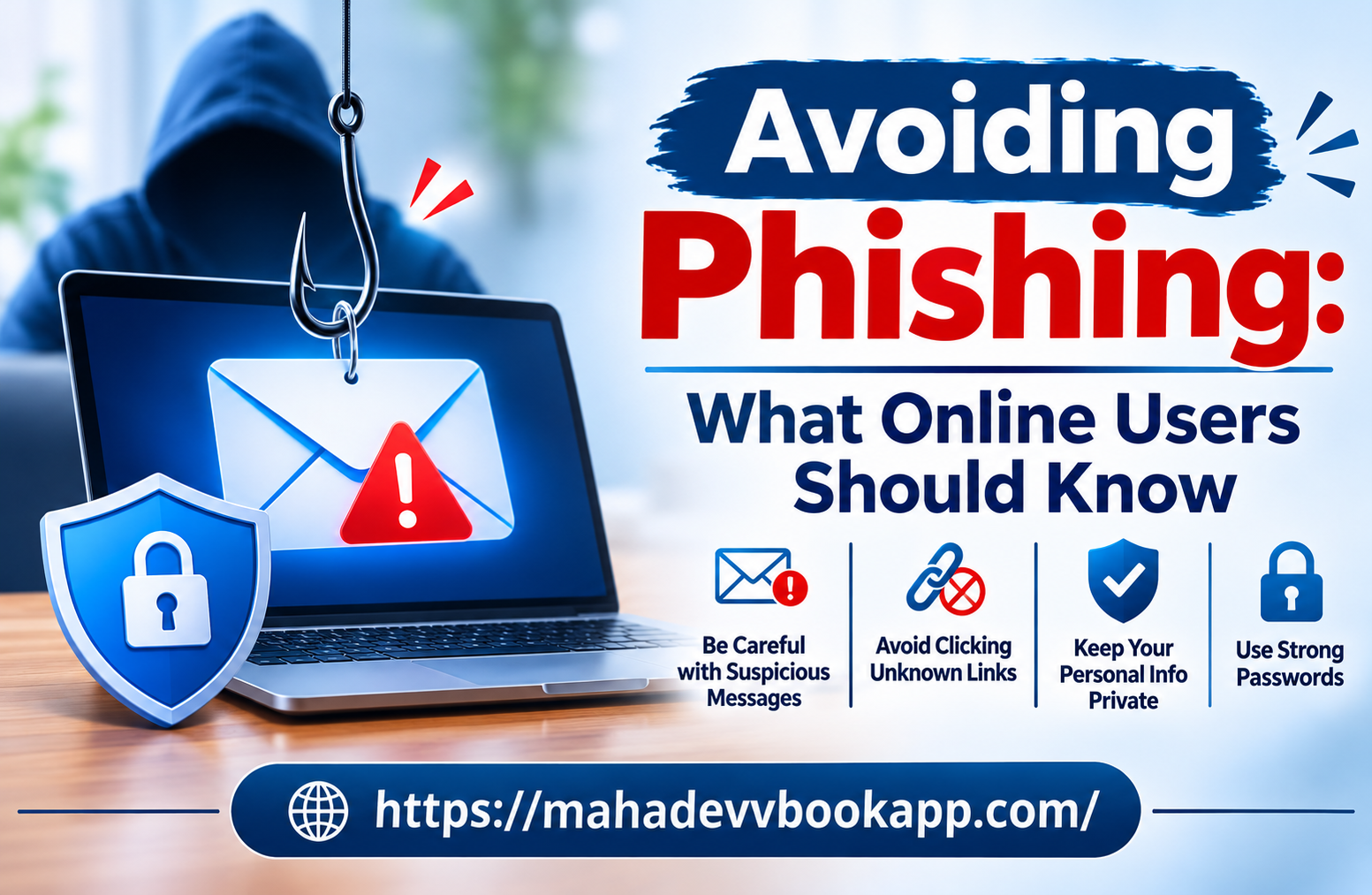
Ever received a message for them to verify your account and click a link to log in or to provide an OTP (one-time password)? It may appear to be authentic at first sight. The message might be in the form of a familiar name or logo. However, appearances can be misleading and a single click could place sensitive data in danger.
That is why it is important to not fall for phishing, when using online services. Keeping informed is no technical challenge. These are a few simple things to look out for to identify suspicious messages, secure your account and make informed decisions online.
When it comes to online security, Mahadev Book users should be mindful of account information, suspicious links, and when they need help, use any of the support channels listed by the platform.
Learn About: mahadevvbookapp-Avoiding Fake Apps: What Online Users Should Know
Understanding the Nature and Importance of Phishing
Phishing is the act of attempting to trick you into providing personal data by pretending to be someone or something that you trust. They may include a deceptive link for login, impersonate a support representative, or state that your account must be attended to right away.
Think about this situation. A message will pop up alerting you that your account will be blocked if you don’t share an OTP within five minutes. It’s easy to panic and follow the instructions without thinking. That’s just the response a scammer may be hoping for.
Phishing is a process that can be avoided by slowing down and verifying if the request is legitimate. A well-known name does not mean a message is legitimate, nor will a professional-sounding Web site be.
Never give your passwords, OTPs, banking information or other personal data to anybody who asks for it.
How to Understand Avoiding Phishing on Mahadev Book
The best way to know how to avoid phishing is to consider a stranger calling you about your account.
Account access, registration, payment issues, and general questions can be answered through WhatsApp, live chat, and email support provided by Mahadev Book. If you have to get assistance, consider using the contact details on the platform, rather than relying on an unknown person claiming to be operating the service.
For instance, if a stranger contacts you via WhatsApp to solve your payment issue by giving you his password or OTP, this is a flag the you should not ignore. Don’t send anything. Refer to the contact information independently, and use a listed support channel to inquire about the issue.
It’s also important to be mindful of what you say in a support conversation. State the problem, but do not reveal your passwords or OTPs or UPI PIN or banking numbers.
These minute decisions can have a long term effect on the security and privacy of your account.
You Can Follow These Tips to Avoid Phishing
A complex security process is not necessary. Try these daily routines first.
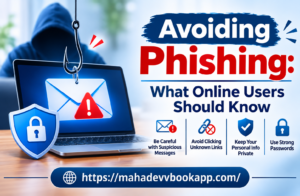
- Take a Second Look at Links
Before clicking on a login link, look at the URL (web address) of the site. Be on the lookout for misspellings, bizarre additions to an old name or links that take you to an unexpected place.
If you receive a message from an unknown source, do not click it! Open website in different browser using a URL that you have verified.
2. Do Not Share Your OTP or Password
An OTP is necessary when a legitimate sign-in or transaction occurs, however, this doesn’t imply that you should send it to a person that contacts you. Never share your passwords, OTPs, UPI PIN, and banking details with anyone.
Be wary of anyone asking for these pieces of information in order to confirm your account.
3. Avoid Being Rushed by Urgent Messages
Often scammers attempt to create panic. They could say that your account is going to expire or that you’re not going to get a special deal if you don’t take action right away.
Pause and breathe before taking action. Verify the claim via a credible source. It’s better to double-check a message than to rush into an error.
4. Keep in Touch With the Support via Listed Channels
If something doesn’t look right on your account, then do not use a phone number or social media profile provided by an unknown person. Go straight to the platform and see what kind of contact they have.
Mahadev Book offers WhatsApp support, live chat, and email support. The contact information provided via the platform provides you with a better foundation upon which to request assistance.
5. Maintain Secure Account Information
Create different and strong passwords for each account. Try not to use a public device for logging on, and be sure to sign out of the computer when using a shared device.
Though these are simple practices, they are crucial components of online security. It is not too late to protect your information, even if nothing goes wrong.
Privacy Awareness and Digital Literacy Are in Tandem
It’s not just about avoiding suspicious links when being safe online. It is also a matter of understanding what will happen to the information you share.
Privacy Awareness involves consideration before giving personal information. Does the request make sense? Who will receive the information (do you know)? Does the person ask for something that they don’t need to ask for, like your password or UPI PIN?
Digital Literacy can assist you with these questions. It helps you to read past the surface of a message, and decide if the source seems reliable.
Consumer protection issues are also involved here. Always read the privacy policy, any terms and disclaimer before using any online service. Mahadev Book’s disclaimer also stresses that the use could be limited in certain areas, and that users should verify the applicable laws.
In particular, if a message goes to a third party website, be careful. Just because another page has a familiar name does not mean it’s always trustworthy.
Read More Blog : mahadevvbookapp-Verifying Site Legitimacy
Conclusion
Avoiding phishing is about building habits not about knowing every online scam.
Check links carefully. Protect login details. Question requests. Verify support contacts.
For Mahadev Book users, use the support channels listed on the platform and keep passwords, OTPs and banking information private. Those are starting points.
Strong online security, privacy awareness and digital literacy help you make choices. When something feels unusual pause and verify before you act.
Frequently Asked Questions
1. What Is Avoiding Phishing?
Avoiding phishing means spotting and staying away from scams that try to steal personal information, passwords, OTPs or payment details.
2. How to Understand Avoiding Phishing?
To understand Avoiding phishing learn to spot links, unexpected requests for sensitive information fake support accounts and messages that push you to act right away. Check the source before you reply.
3. What Are Some Avoiding Phishing Safety Tips?
Check website addresses. Use unique passwords. Keep OTPs and UPI PINs private. Avoid links. Contact support through verified channels.
4. How Can Mahadev Book Users Improve Account Safety?
Mahadev Book users can protect their details by keeping passwords, OTPs and banking credentials private. Contact support, through the WhatsApp live chat and email channels listed on the platform.
5. What Should I Do If I Click a Suspicious Link?
If you click a link close the page without entering any information. If you already shared your details change the password contact your bank if payment credentials were exposed and report suspicious activity through the relevant official channel.[ Log In Our Website ]